



On nous l’a promis pendant dix ans. «La fin des boîtes noires sous la télé», «Le Netflix du jeu vidéo», «Jouez partout, tout le temps». Jusqu’ici, pour nous, les puristes de la frame et du combo parfait sur Dragon Ball, le Cloud Gaming, c’était un peu comme le Super Saiyan 3 : impressionnant sur le papier, mais épuisant à maintenir en pratique à cause de la latence.
Pourtant, en ce début d’année 2026, le vent a tourné. Avec l’arrivée de la 5G Standalone partout en Europe et les nouveaux serveurs RTX 5090 de NVIDIA, j’ai décidé de tenter l’impensable : débrancher ma console et ne jouer que via le Cloud pendant 90 jours. Voici mon retour d’expérience sans langue de bois.
Comment désactiver les pubs dans les jeux mobiles sans root ?
2026 : l’année où la fibre a gagné le combat de la latence
Le principal ennemi du gamer, c’est l’input lag. Cette micro-seconde de décalage qui transforme votre Kaméhaméha salvateur en une défaite cuisante. J’ai personnellement perdu des matchs ranked sur FighterZ que j’aurais dû gagner, juste à cause d’un timing légèrement décalé qui me faisait sortir un coup à la place d’une esquive. C’était il y a encore deux ans. Aujourd’hui, la donne a changé.
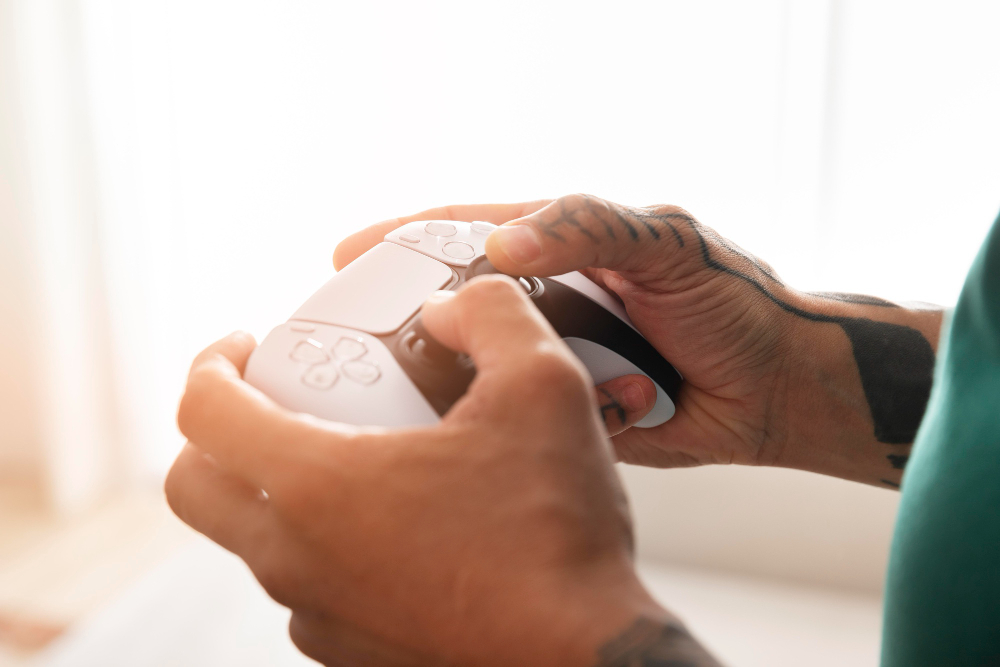
Les chiffres qui parlent d’eux-mêmes
Selon le dernier rapport de Digital Foundry Europe (février 2026), les performances ont franchi un seuil que beaucoup pensaient inatteignable avant la fin de la décennie :
- Latence moyenne en Cloud (Fibre) : 12 ms (contre 35 ms en 2023). Pour mémoire, une manette Bluetooth sur console tourne autour de 8 à 10 ms — l’écart s’est quasiment refermé.
- Taux d’adoption : 42% des joueurs européens de 18-35 ans utilisent désormais le Cloud comme plateforme principale ou secondaire.
- Résolution : Le streaming en 4K 120 FPS est désormais stable sur 85% du territoire français et belge.
“En 2026, la barrière n’est plus technologique, elle est psychologique. Le hardware est devenu invisible.” — Marc V., ingénieur réseau spécialisé dans le streaming interactif
Pourquoi mon expérience a changé ma vision du gaming
Passer au tout-Cloud, c’est un peu comme si Capsule Corp nous livrait une technologie du futur — sauf que cette fois, ce n’est pas de la fiction. Voici ce qui m’a le plus marqué durant ces trois mois de test :
- La fin de l’attente : Plus de mises à jour de 50 Go à télécharger avant de lancer Sparking! ZERO. On clique, on joue. Je me souviens de la première fois où ça m’a vraiment frappé : je voulais jouer trente minutes pendant ma pause déjeuner, le jeu s’est lancé en moins de dix secondes. Trente minutes de jeu, pas quinze minutes de téléchargement.
- La liberté totale : J’ai commencé une session sur ma TV OLED 65 pouces dans le salon, et je l’ai terminée sur ma tablette dans le train avec une manette clipsée. La transition est invisible. Aucune sauvegarde à synchroniser, aucune manipulation — la partie continue, point.
- Le silence absolu : Plus de ventilateur qui siffle comme une turbine pendant les scènes gourmandes. Votre écran ne chauffe pas. Et en bonus non négligeable, votre facture d’électricité vous remercie en fin de mois.
Top 5 des jeux mobiles 2024 : des puzzles aux aventures multijoueurs qui captivent le globe
Les 3 piliers pour un «Cloud Setup» qui ne vous trahit pas
Attention : le Cloud Gaming n’est pas une solution magique qui marche sur n’importe quelle configuration. J’ai testé plusieurs combinaisons d’équipement pendant ces trois mois, et la différence entre un bon et un mauvais setup est encore plus criante qu’en jeu local. Si vous voulez franchir le pas sans casser votre expérience, voici le combo gagnant que j’ai identifié :
- Le Routeur Wi-Fi 7 : C’est le cœur de votre installation, et le poste sur lequel il ne faut surtout pas rogner. Sans lui, les micro-coupures gâcheront vos parties compétitives au pire moment possible — croyez-moi, je l’ai vécu sur un quart de finale en ranked.
- La Manette à connexion directe : Oubliez le Bluetooth classique pour le compétitif. Les manettes qui se connectent directement aux serveurs via Wi-Fi (comme les nouvelles manettes Xbox Cloud 2026) vous font gagner quelques millisecondes qui font réellement la différence sur les jeux de combat.
- L’Écran à faible rémanence : Même en Cloud, la qualité de votre dalle change tout. Un écran OLED avec un taux de rafraîchissement élevé rendra le streaming indiscernable d’une console locale. C’est l’upgrade dont on parle dans notre article sur les setups next-gen — elle s’applique ici encore plus qu’ailleurs.
Des sélections spécialisées comme celle disponible sur Gameworld.tn permettent de comparer ces catégories et de trouver le bon rapport qualité/prix sans passer des heures sur des forums techniques.
Le verdict : faut-il revendre sa console ?
Après 90 jours de Cloud exclusif, voici où j’en suis honnêatement.
Oui, si vous êtes un joueur nomade, si vous saturez de l’encombrement physique, ou si vous jongler entre plusieurs pièces et plusieurs écrans fait partie de votre quotidien. Le confort est aujourd’hui bluffant, et la qualité visuelle a atteint un niveau où la comparaison avec une console locale n’a plus grand sens pour 95% des jeux.
Non, si vous habitez une zone où la fibre est encore capricieuse, si vous êtes un collectionneur de disques physiques (le charme d’une boîte réelle ne disparaîtra jamais vraiment), ou si vous jouez à des titres ultra-compétitifs où ces derniers milliseconds comptent encore.
Ma conclusion après ces trois mois est plus nuancée qu’un simple «pour» ou «contre». Le Cloud n’a pas «tué» la console — il l’a rendue optionnelle. Et c’est peut-être la plus grande révolution de ces dix dernières années dans notre hobby. Pour la première fois, ce n’est plus la machine qui définit l’expérience, mais votre envie. Et ça, franchement, ça change tout.
En tant que jeune média indépendant, Magazine de Communication Entreprises : Gagner en visibilité sur Internet a besoin de votre aide. Soutenez-nous en nous suivant et en nous ajoutant à vos favoris sur Google News. Merci !